How to Travel Around Morocco: Complete Transportation Guide
Did you know Morocco is just nine miles from Spain? Yet, stepping into Morocco feels like entering a new world. The landscape shifts dramatically from ancient medinas to the Sahara’s vast dunes.
Knowing how to get around is essential for a successful trip. You can choose trains, buses, or private drivers. This knowledge helps you enjoy the culture and scenery without stress.
This article is your Traveling in Morocco guide for a smooth journey. By the end, you’ll be ready to explore Morocco with confidence. Learning how to travel around Morocco is the first step to an unforgettable adventure.
Getting Started with Your Moroccan Journey
Planning your trip to Morocco is thrilling. It starts with knowing the country’s size and climate. Morocco is about twice the size of Germany, so travel times between big places can be long. Plan your route well to enjoy more of the sights and less travel.
Understanding the Geography of Morocco
Morocco’s landscape is varied, from the rugged coast to the vast Sahara Desert. When thinking about how to travel around Morocco, remember the terrain affects your speed. Mountains like the Atlas range are slower to travel than flat plains.
Here are some tips for your trip:
- Coastal routes offer scenic views but can be winding.
- Desert regions often require 4×4 vehicles for remote access.
- Urban centers are dense and best navigated on foot.
- Mountain passes may experience weather-related delays.
Best Times of Year for Travel
Choosing the right time for your trip is key. Visit in spring (March to May) or early autumn (September to October) for the best weather. These times offer mild temperatures for exploring cities and deserts.
Follow these Morocco travel tips to avoid the summer heat. Picking the right season makes your trip comfortable. Always check local weather patterns before booking to have a smooth trip.
How to Travel Around Morocco by Train
Traveling by train in Morocco is a mix of ease and beauty. It’s a top choice for those who want to see the country without driving. Knowing how to travel around Morocco by train makes your trip better.
Navigating the ONCF Rail Network
The ONCF is Morocco’s national rail operator. It has a wide network that links big cities along the Atlantic coast. This is the best way to travel between places like Casablanca, Rabat, and Tangier. It’s efficient and avoids the traffic on main roads.
The trains are modern and clean, with air conditioning in summer. They offer a smooth ride through different landscapes. It’s a great way to see the countryside change as you travel.
Booking Tickets Online and at Stations
Booking your seat is easy and fits your schedule. You can buy tickets online at the ONCF Voyages website or their app. The process is simple, even if you need to translate some parts.
For a more traditional way, buy tickets at any major train station. These Morocco travel tips suggest getting to the station 30 minutes before your train leaves. This gives you time to find your platform without rushing.
Choosing Between First and Second Class
Choosing between first and second class is a way to improve your comfort. Second class is good for most travelers, with comfy seats and a friendly vibe. First class offers assigned seats and more legroom for longer trips.
First class also gives you access to exclusive lounges in big cities. These lounges are quiet places to relax before your train. Whether you pick first or second class, you’ll have a reliable and scenic transit experience across Morocco.
Navigating the Country via Intercity Buses
Intercity buses are a great way to see remote villages and coastal towns. They fill in the gaps where trains don’t go. Adding these routes to your trip is a top Morocco travel tip for a full adventure.
Using CTM and Supratours Services
For city-to-city travel, CTM and Supratours are the best ways to get around Morocco. They have modern, comfy buses for long trips. Their schedules are reliable, making them a favorite for many.
Supratours is great for reaching places like the Sahara Desert from train stations. CTM covers almost every part of the country. Both offer a safe and efficient way to see Morocco’s varied landscapes.
Purchasing Tickets and Managing Luggage
Buy your tickets early to get a seat on busy routes. You can buy them at the station or online. Booking ahead avoids sold-out buses during busy times.
Most buses have a luggage area under the bus. You’ll pay a small fee per bag. Keep your luggage claim tag safe to get your bags at your destination.
Understanding Bus Station Logistics
Bus stations can be confusing at first, but knowing how they work helps. Major cities have a central bus station, or gare routière. Arrive 30 minutes before your bus leaves.
This gives you time to find your platform, check your bags, and get to your seat. If you’re lost, ask station staff for help. Being ready makes your trip stress-free and enjoyable.
Renting a Car for Ultimate Flexibility
Renting a car is a top choice for getting around Morocco. It offers unmatched flexibility, perfect for exploring the Atlas Mountains or the desert. This option is among the best ways to get around Morocco.
While highways are good, city driving can be tough. It’s wise to steer clear of busy cities if you’re not used to aggressive driving.
Requirements for International Drivers
To rent a car, you need the right documents. Bring your valid passport, a major credit card in your name, and your home country’s driver’s license.
Rental agencies usually want you to be at least 21. But some might ask for a higher age. Always check if you need an International Driving Permit before you go.
Choosing the Right Rental Agency
You’ll find both big chains and local companies in Morocco. International brands offer greater peace of mind and easy drop-off at airports.
Local agencies might have cheaper rates. But, make sure to read reviews. Also, check if they have comprehensive insurance coverage to protect you.
Navigating Moroccan Road Signs and Rules
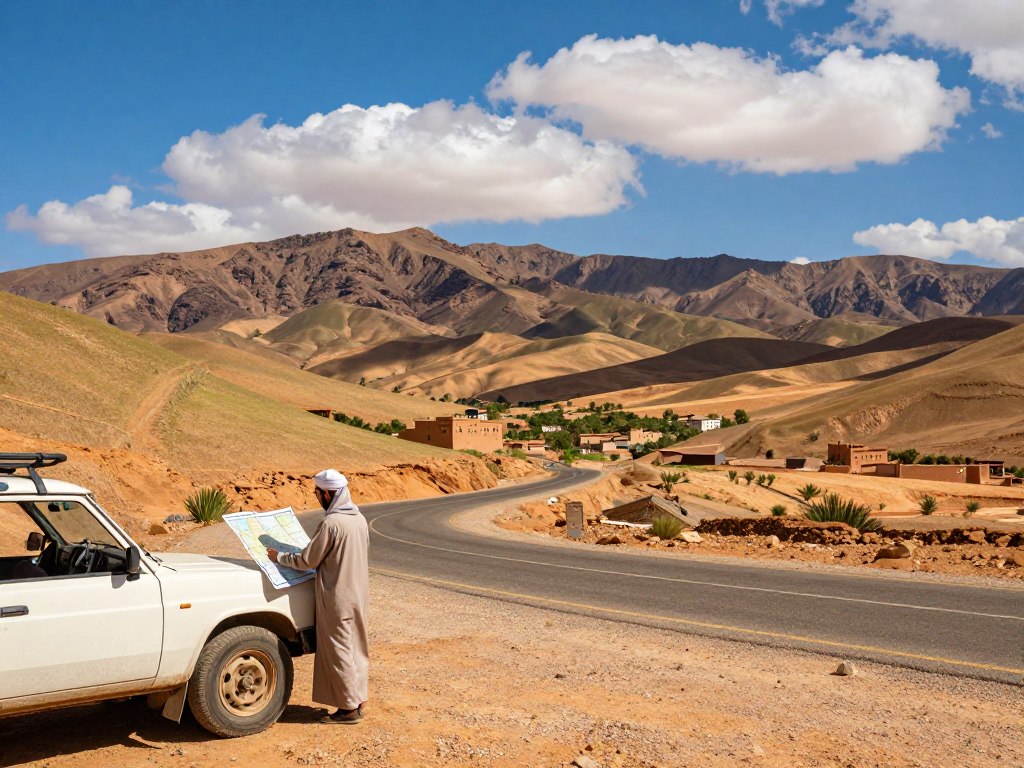
Discovering Morocco by road is rewarding if you’re careful. Road signs are in Arabic and French. So, a reliable GPS or offline map is key.
Know the local customs, like unofficial parking attendants in cities. They might ask for a small fee. Always stick to speed limits, as police checks are common on major roads.
Using Grand Taxis and Petit Taxis
To get around Morocco like a pro, you must know the difference between petit and grand taxis. This knowledge saves time and prevents travel headaches.
Distinguishing Between Shared and Private Taxis
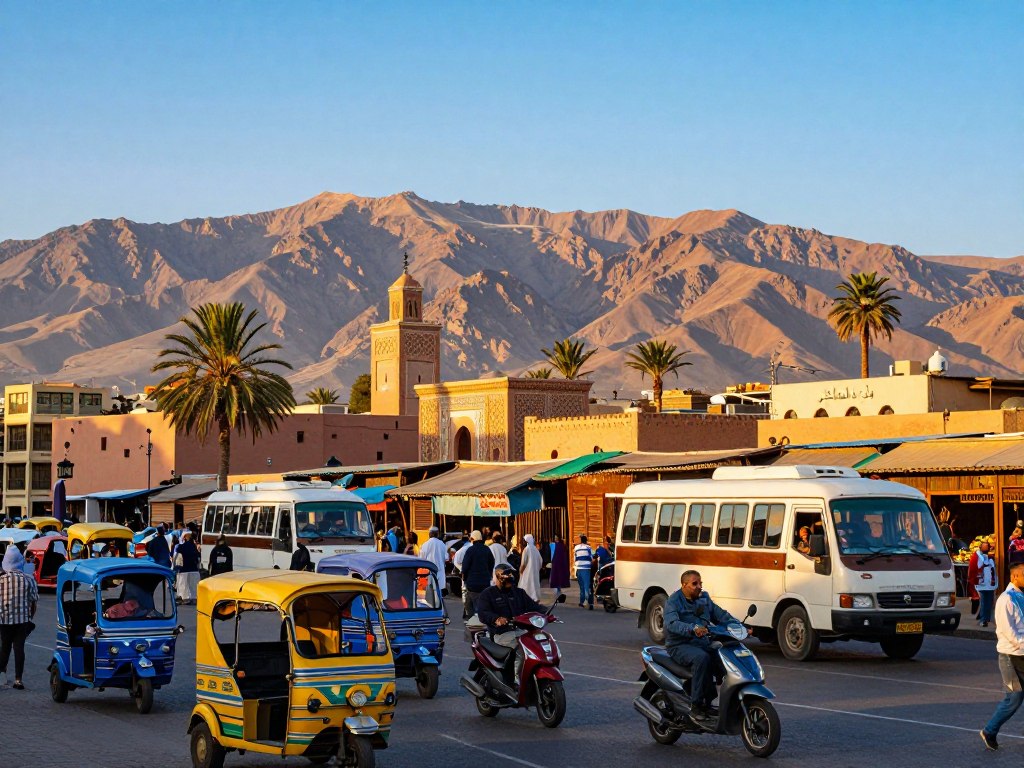
Petit taxis are small, colorful cars for short trips within cities. They can carry up to three people.
Grand taxis, on the other hand, are larger and older Mercedes-Benz models. They are for longer trips and operate on a shared basis. This means the driver waits until the car is full before leaving.
Negotiating Fares and Using Meters
In a petit taxi, always insist on using the meter. This way, you pay the local rate, not a tourist price.
If a driver won’t use the meter, it’s okay to leave and find another taxi. For grand taxis, you pay a fixed price per seat. This price is usually agreed upon before you start your journey.
Etiquette for Riding in Taxis
Respect is key when using transportation in Morocco. Always have small bills ready, as drivers might not have change.
Make sure to tell your driver where you’re going before they start driving. Saying hello in Arabic or French can also help you connect with your driver.
Domestic Flights for Long-Distance Travel
Domestic air travel is key when you’re traveling from the north to the south. It’s a time-saving strategy for those with tight schedules. Flying lets you skip long road trips that can take a whole day.
Major Airports and Regional Connections
Morocco has a network of airports connecting cities and remote areas. Casablanca’s Mohammed V International Airport is the main hub for domestic flights. Marrakech Menara Airport links to places like Ouarzazate and Dakhla.
Booking with Royal Air Maroc
Booking with Royal Air Maroc is the best way to fly. They have many flights, making it easy to get around Morocco efficiently. Air Arabia Maroc is also good for budget flights on certain routes.
Managing Airport Transfers
After landing, you’ll need a plan to get to your destination. Most airports have official taxi ranks near the arrivals hall. Always check the fare before you leave to avoid any issues.
Navigating Urban Centers and Medinas
Exploring Morocco often means ditching the map and walking. The country’s heart beats in its ancient medinas. These places are full of history and charm.
Walking Through Historic Districts
Medinas were built long before cars existed. They are entirely pedestrian-friendly, with narrow streets too small for cars.
Walking lets you dive into the lively souks. You’ll find hidden architectural gems and workshops. It’s the best way to see city life up close.
Using Local Public Transit in Cities
For trips outside the medina, cities have good public transport. Tramways in Casablanca and Rabat are fast and cheap.
Local buses are a cost-effective solution for reaching distant areas. Carry small change, as drivers prefer exact fare. This way, you’ll move like a local.
Hiring Local Guides for Complex Areas
Need help in a confusing district? Hire a local guide. They offer invaluable historical context that makes the place come alive.
Official guides wear badges and can steer you clear of tourist traps. This choice ensures you see the best sights without getting lost. It’s a smart move for exploring dense areas.
Essential Safety Tips for Moroccan Roads
Exploring Morocco’s roads is an exciting journey that needs careful planning and caution. When discovering Morocco by road, your safety is the most important thing. Knowing how locals drive can make your trip better.
Driving Conditions and Mountain Passes
Morocco’s landscape varies from flat deserts to the High Atlas Mountains. You’ll find narrow, winding roads that need your full attention. Always check the weather before going to high places, as fog or snow can be a problem.
Avoiding Nighttime Travel
Try to avoid driving at night if you can. Roads can be tricky at night, and it’s hard to see. Plus, there’s little police around, so you might run into unlit cars or animals.
Emergency Contacts and Roadside Assistance
Getting ready is key to planning your travels in Morocco safely. Make sure your car is in good shape and you have a spare tire and tools. Save important numbers like the Gendarmerie Royale in your phone.
- Check your tire pressure and fluid levels before every long trip.
- Keep a physical map as a backup to your GPS device.
- Carry extra water and snacks in case of unexpected delays.
- Confirm your rental agency’s policy for 24/7 roadside support.
By being alert and respecting the local area, you can enjoy the road with confidence. Your safety is the foundation of a memorable Moroccan adventure.
Budgeting for Your Transportation Needs
When you start discovering Morocco by road, a good financial plan is key. A budget helps you travel without worry or surprise. It lets you spend more on experiences, not just getting from one place to another.
Comparing Costs of Different Modes
The cost of your trip depends on your Morocco transportation options. Public trains and buses are cheap and reliable. They connect cities at a lower cost than private transport.
On the other hand, renting a car or hiring drivers offers ultimate flexibility but costs more. Remember to include fuel, insurance, and parking in your daily budget. Mixing these options helps you stay within budget while seeing what you want.
Hidden Fees and Tipping Expectations
Remember, the price you see isn’t always what you pay. You might face extra fees for luggage or airport transfers. Having some extra cash for these small costs avoids any trouble.
Tipping is a big part of Moroccan culture, so be ready. A small tip for help with bags or extra service is always welcome. Being prepared for these customs helps you connect with locals.
Managing Cash for Transit Payments
Even with digital payments getting more common, cash is king for most travel needs. Many places, like local taxis and rural buses, only take cash. Always have enough local money for your immediate travel needs.
Withdraw cash in big cities before going to remote areas. Keep your cash in small amounts for easy payments. Keeping your finances organized makes your trip smooth and fun.
Conclusion
Exploring North Africa is a mix of curiosity and knowing what to do. Every train ride or taxi trip adds something special to your journey.
This guide is your key to moving easily around Morocco. You now know how to pick between fast trains and the freedom of a rental car.
Planning your trip in Morocco is fun when you go with the local flow. Be open to finding hidden gems in the medinas.
Your trip will give you memories of beautiful views and friendly people. Use these tips to keep your travel smooth from start to finish.
Share your travel stories with others to help them plan their trips. Your advice makes traveling easier for everyone.